
Born (a) Bad (Capitalist)
or, Life in Maslow’s basement.

Starting off strong with a confession and ending with an apology.
I have a confession to make. I let my gutter self out for a wee frolic recently.
I’m studying at the moment. Not by choice but in anticipation of rumoured pre-election regulation within my industry, to protect my work life and the clients I work with.
I may have embarked upon the endeavour reluctantly but once committed I dove in and have loved the applied learning. To keep my interest and motivation up, I’ve had to rabbit hole into content related to the neurodivergent and health-specific work I do. I’m proud of myself for ticking the boxes asked of me and then taking the study to places I needed to go. With that scene set, and bearing in mind the decades of learning I’ve already invested you can imagine how I rolled my eyes at the graphic of Maslow’s hierarchy of needs shared in one of the coaching labs. (Sorry tutors, I did say my gutter self came out to play.)
Joke was on me because looking at that pyramid I realised the bleeding obvious. I have had to live in Maslow’s basement, spells on the first floor and brief tantalising visits to the other floors, most of my life. As have many of my less privileged coaching clients. And whole swathes of our population.
Smack me in the face with a dead fish! Or, on second thought, maybe a kombucha scoby.
For those who snoozed through any mention of Maslow’s hierarchy of needs in school, it’s a five tier pyramid, famous in basic psychology. Dating back to the 1940’s, Maslow intended it to outline the motivational drivers of humans with five categories of needs. In that late night coaching lab moment, I saw it through the lived experience perspective of equity and privilege.
I did not like the revelation.
I felt a bolt of shock. Then the familiar weight of grief.
I believe all humans have the right to have their needs met and we have designed our societies and the systems in ways that entrap vast chunks of the population in Maslow’s basement, and erect a glass ceiling somewhere just beyond the first tier. Where we are condemned to a life of just trying to scrape by. There are a litany of health conditions associated with this basement dwelling, metabolic disorders, cardio-vascular, mental health conditions, infectious diseases, dental decay and the complications arising from chronic infections to name a few. Take a moment and run a google search for ‘health conditions of poverty’ - AI delivers a decent summary of the issue.
My later in life diagnoses of autism and ADHD gave me hope of financial stability and I worked hard toward a modest dream I had held close since I had been a child. A cabin, in a rural area, with lots of light, an old writing desk, brimming bookshelves, handmade textiles, rescue animals surrounded by fruit trees and gardens.
What I did not know yet, was enough about myself. I did not know what neurodivergent traits of mine needed to support and scaffold so I could lean on my strengths. I was missing key information, vital learnings on monotropism and hyperconnectivity and most of all, I was ignorant of just how bad autistic burnout could be.
Many neurodivergent people like me, cannot work full-time. Or in permanent roles. Or at all. Fact.
No amount of punitive measures or accommodations or cheerleading can teach a fish to climb a tree. Also a fact.
Physical capacities aside, factor in that many neurodivergent folks are differently wired in that their (our) motivation is not monetary. Struggling with the life admin capitalism requires of us, like banking, tax returns, making appointments, planning ahead for foreign concepts like retirement (it’s rare to be able to think of such a thing when they’re staggering from day to day week to week). I felt at my best optimised energised self when I was travelling for months at a time despite the unpredictability of that lifestyle for a reason. Or living at Twin Oaks Intentional Community, where there were cooperative systems and structures in place to shore up the bureaucratic and administrative demands of capitalist life.
Being a bad capitalist is not a choice. I would dearly love to be able to work full time doing the work I love. Not being able to comes at great cost.
A frequent burnout flyer, I had fallen prey to mainstream media’s version of burnout recovery. I knew accepting a leadership role would result in burnout but assumed I could bust a gut for a while then just take a month’s break and bounce back.
Reader, I was very wrong. I lost mobility and it took years to confidently state I was no longer in active severe autistic burnout. Years of losing any financial robustness I had finally built up. Of losing confidence, reputation and friends.
And after severe autistic burnout? I have not returned to full power. My capacities are less. My health conditions are worse. My need for accommodations and support is higher.
Those who have been in severe autistic burnout understand the fear I have of going back there.
I’m consciously putting myself through the same gentle coaching phases of energy accounting and exploration of values and identifying the elements I need to create a work life that works, that I do with clients.
This is not a new thing. I originally developed these processes for use in my own life and for those around me and later, tweaked and built them further for use in my coaching practice. I’d be a hypocrite if I didn’t practice what I talked about in my practice!
Being autistic af comes clearly into focus looking back throughout my life. These days I have less ability to mask and when I do, it costs me more. Getting older factors in here too. Energy accounting is not a choice, it is survival. When I am wandering out of my zone of wellbeing my body lets me know and I am acutely aware of what I risk if I push past my limits. Chronic pain flares, PEM magnified (that’s post exertional malaise for the uninitiated), unable to stand for long or even be upright some afternoons.
I am the mistress of resilience. I have survived the unimaginable, lived through war, escaped a tornado, eaten from dumpsters, made clothes from tablecloths I pulled from a rubbish bin, parented through incredible hardship.
I found hope in the strangest of places along the way. The ability to stay optimistic, to find hope when it is most needed is a boon in hard times. It’s one I struggle with these days. Each of these equity-attacking policy announcements from this coalition government hits me right in the gut.
Last week I could feel my body folding in on itself. I was sitting at our table, body in pain, trying to work out how to pay the most basic of living expenses. And no, before you ask, there was nothing left to cut. I have not felt I could spend money on a frivolous thing like a hair cut in years. There are no holidays. No dentist appointments. No treats in the grocery shopping. My car sat for many months because I could not afford the work it needed to get a warrant.
Like many people, out of desperation I had tried a pile of different anti-depressants. None worked. Because it was the situation I was in and the systems that did not serve me that were the problem.
Those are vulnerable things to share. I do not share them lightly. I share my story because I know how I am seen out in the world and being clear about my spiky profile, the places where I am brilliant AND those where I need support, helps others come to terms with the very same in their own lives. And I believe this kind of vulnerable sharing of lived experience helps others who are more privileged to understand. Hopefully vote with our most vulnerable front of mind.
There is messaging out there that goes something like this,
Poor people just need to work harder.
Beneficiaries are just trying to exploit the system. Or they’re lazy. Or criminals.
Disabled people have the support they need laid on.
Lucky them not having to work.
“You look fine, you just need to suck it up and get a real job.”
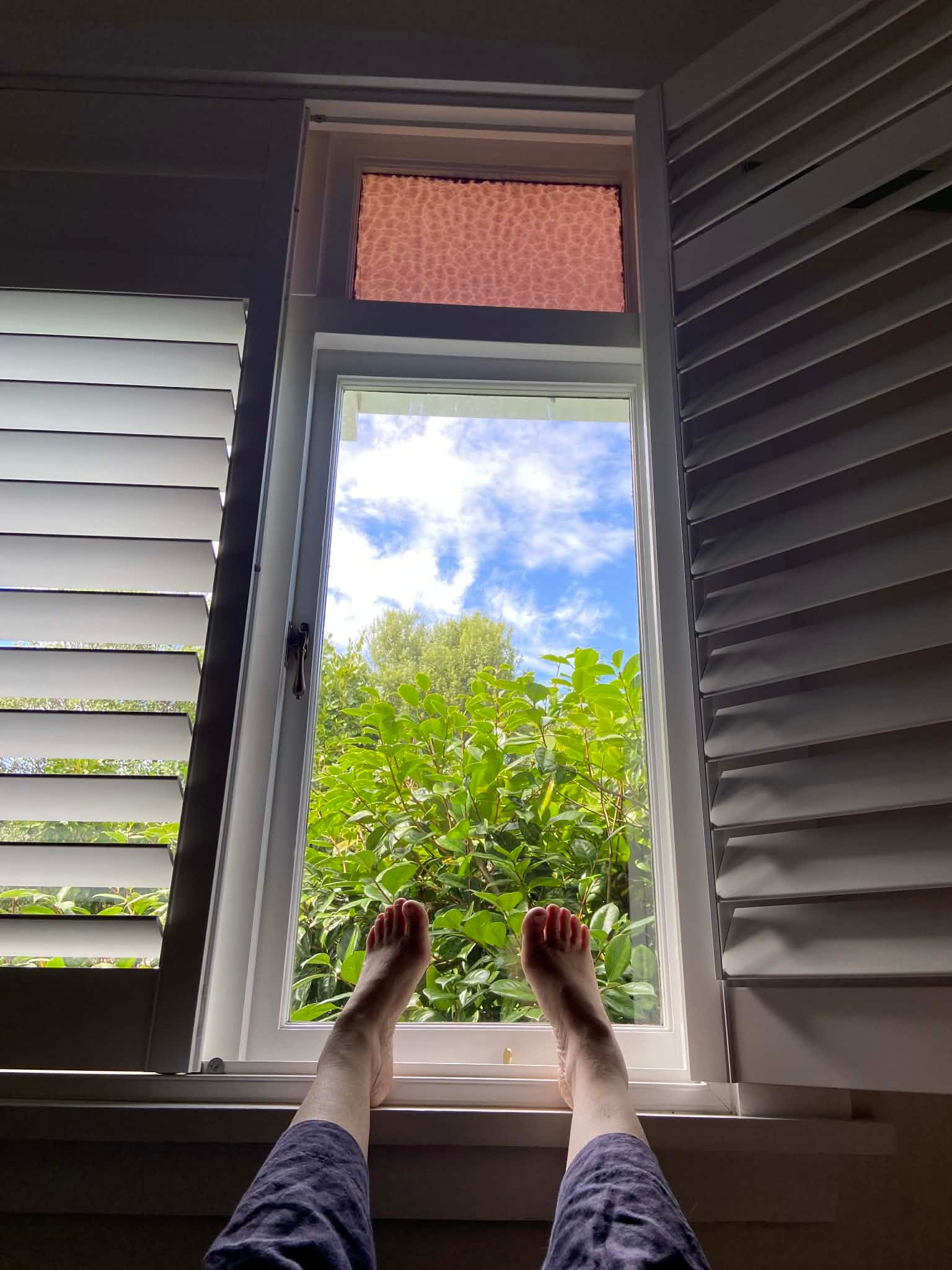
The relentless stress of being financially disadvantaged, that stress causing chronic health flares with life already on hard mode is not manageable. Add in curveballs, like unexpectedly losing a home like we did at the end of last year, or suddenly losing half your income or a car needing a surprise $800 to get a warrant of fitness, become potential last straw material. It became harder to hunt joy. Comfort became currency.
In the bigger picture in Aotearoa right now, and in other profit-not-people non-care-based governments around the world, the vastly unhelpful policy changes that just keep on coming and are seemingly designed to kill the disabled, neurodivergent, trans, brown, the queer, the financially disadvantaged AND the environment.
Having to rely on government support feels like I’m drowning and as soon as I get my head up for a breath, catch sight of the shore, I am swamped in another wave. I am beyond tired. Having to write ANOTHER three submissions on inequitable policy changes from this ignorant and blatantly-for-the-rich government is infuriatingly necessary and takes more than I have to give. The fear emanating from folks in my various communities fielding the assault of announcements that make their lives harder, is palpable.
It’s like the puppet masters plucking capitalism’s strings have never seen the robust research proving that the chronic stress of poverty, the staggering from week to week unsure if you’ll be able to pay the very basic of living expenses, directly translates into physical ill-health.
Research that is a mere google away these days.
Studies that prove the bleeding obvious to those living that life. Gaining the best of eye rolls from lived experience communities, invisible in the media glare of hoorah’s for the latest academic prowess.
The toll of poverty on the body is clear.
Ask any health coach or GP.
So why do we put our less privileged at protracted risk? What happens when you are born, through no fault of your own, unable to work or work full-time? Without family wealth to buffer the bare concrete?
The cost of poverty is high for all of us.
Ask a social worker, a mental health professional, anyone working in our courts.
If we fail our most vulnerable, we pay the price in public health costs, sharp upturns in addiction numbers, with nervous systems heightened from chronic stress and lack of accessible health and social care, comes despair, desperation and impulsivity. Humans can only take so much before something has to give way or breaks in us. Whether that’s mental health or physical health, domestic violence, higher crime rates, less safety on our streets and even in our homes.
The cost of being a bad capitalist is a heavy one.
I think the more time we humans are denied access to the upper tiers of Abraham Maslow’s hierarchy of needs, where he had placed love and acceptance, creativity, self-actualisation and esteem, as sort of sprinkles on top of the survival basics, the more likely we are to develop those health issues from chronic stress. Access to ALL human needs is just ethics surely? Our birthright? Creativity is not the domain of the privileged. Neither is being loved or having a sense of belonging.
Ethics aside, carving back our social benefit system, one that was already not providing enough, to be actively punitive while under-delivering on the basics and building more barriers to receive, is counter-productive.
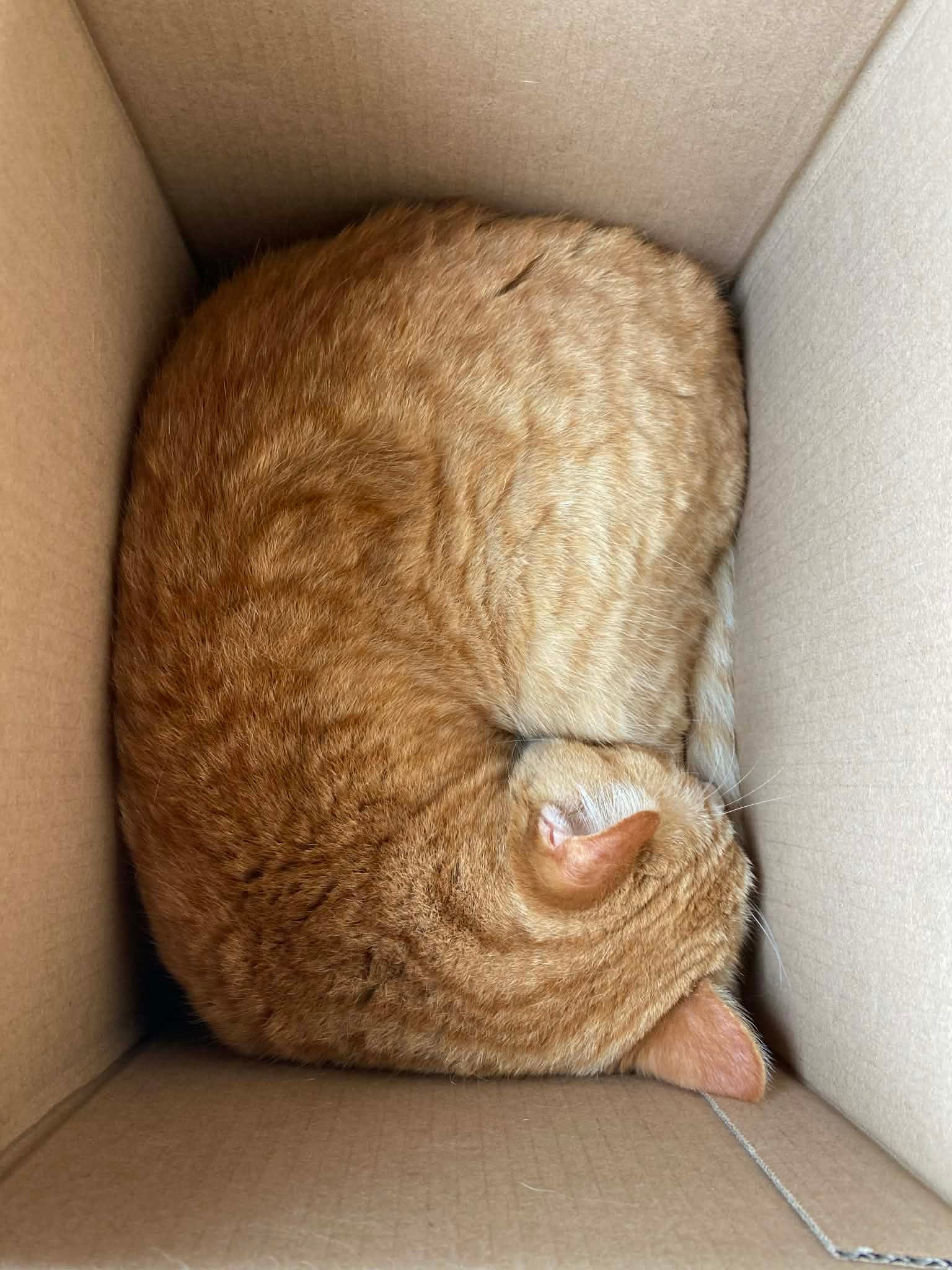
Crap food is cheaper than nutritious food and poor diets contribute to metabolic syndrome, putting vast numbers of us at risk of developing diabetes, heart problems and divides us socially.
The expense of dental care contributes massively to ill-health in our less wealthy communities, putting more weight on our groaning public health system.
Where I live, it’s obvious there are more people homeless, more living in cars in local parks, nesting in cardboard boxes to conserve their body heat, camped in freezing cold garages or makeshift huts. It’s clear there is more theft. More demands on the community projects and not-for-profit organisations trying to fill the widening gaps. In talking to my general practitioner colleagues, the numbers of people suffering from malnutrition, diabetes and wobbly heart health are rising along with crime stats.
It doesn’t need to be this way.
We are choosing this limited life for our fellow humans and that is wrong.
It’s plain wrong AND does not make true economic sense either.
So, we have the evidence to support equity being a main driver of policy and key criteria for designing systems change centred solutions but we still don’t support our disabled and financially disadvantaged in ways that allow being able to live without the cumulative shit show of chronic stress piling up.
Our systems suck at supporting anything other than the status quo. Argh. I’m just raging against the machine atm. This Substack should have been three separate more cohesive pieces but I can’t find it in myself to care today.
I keep hearing autistics and AuDHDers say that they can either sustain looking after themselves or working, not both. It breaks my heart to know these brilliant humans with so much to give the world but unable to. Not because of anything being wrong in them, but because of the systems we have put in place and unrealistic expectations.
If you have a supportive partner or the privilege to be able to choose outsourcing or bring in supports you may be in the ‘able to sustain permanent full time long term employment’ camp but even with the most support and best of accommodations, many of us haven’t been able to play the capitalist game by its rules. We are born bad capitalists. Doubly so if there are health conditions in the mix.
Being able to work remotely or designing hybrid options and moving in inclusive spaces can make all the difference.
As can working with a neuro-informed and affirming professionals to map neuro and sensory profiles, to screen for latent and active health conditions to help reframe neurodivergence into strength-based approaches, identify appropriate employment, advocate for workplace accommodations, and lay pathways of connection to neurodivergent and disability communities.
Working in an organisation, initiative or company that is ND-informed and friendly is not a lucky to have, ‘sprinkle on top’ thing. It’s the difference between some neurodivergent/disabled folks being able to earn enough money to pay the rent and bills and live well. And not.
A huge driver for the work I do within neurodivergent and disability communities are friends who are no longer here with us. They did not have what they needed to know who they were and what they needed to thrive. My mission is to support the exploration of traits and challenges of clients so we can design the workarounds, scaffolds and supports needed to be able to live well. Especially complex neuro and health profiles. The pile-up of often unrecognised chronic health conditions so commonly co-occurring in neurodivergent folks is not a neat pile of diagnoses, they are exponential weight. The sooner we can screen for health issues, advocate for awareness within the public health system and support the person to know all of who they are, the better. The more choice our neuro-kin will have in life, the less trauma, the more they can contribute to society. And goddess knows the colonised world needs more neurodivergent pattern spotting, service oriented ways of being and innovation.
Right now I am so close to seeing my ideal work life I can smell it. Or at least a work life I can sustain, that supports others, and that recompenses me in a way that would allow me to go to the dentist and not cry every time I buy groceries. On a good day I can smell a whiff of that dentist office.
If you’ve been kicking around Wild of Brain world, or have read the Wild of Brain book, you’ll know that I’ve never been able to sustain working full-time, or an office job. Being late-diagnosed I finally know why. Now I know who I am and what I need to support paid work.
Launching the donations page and Wild of Brain Sponsorship Fund
I am finally heeding the advice of respected others and have put a donations page up on the Wild of Brain website. Contributions go to the Wild of Brain Sponsorship Fund to subsidise neurodivergent specialist coaching session costs for those who need it most. What I offer is quite literally life changing -or even life saving for some.
I can no longer afford to subsidise coaching and workshops to others. Ironically, a support person recently pointed out that I am often worse off financially and have less capacity than those whose sessions I subsidise. They have a very good point. Donating helps me pay bills too.
If folks are able, you can get in touch to help me pay off those unexpected study fees to become a certified Health Coach, safeguarding my neurodivergent specialist coaching practice from upcoming (rumoured but from a good source) regulation and allowing me to support our communities health and wellness better. Just remember, I’m low capacity here and have a lot on, so it take me a while to respond.
Folks ask how they can support my work. This is how!
Support me to support our most vulnerable.
Related links to learn from, made me think or that lit me up:
As always, I like to highlight other lived experience neurodivergent content creators and educators.
And Becca with Adam on, ‘I can work or take care of myself’ and Life is too fast for actual living
An Autistic Guide -on autism, PDA and managing chronic illness
What we wish you knew about pacing as a disabled person - Chronically Jenni
Melissa Koehl on ‘the temptation to try and make for time lost from pain.’
Healthcare is not simple when you’re neurodivergent -David Gray-Hammond/NeuroHub Community
Zachary Rubin MD on The heart risks of loneliness and social isolation.
Nicole, Pelvic OT on The connection between neurodivergence and hypermobility
The best way I’ve accommodated myself as an easily overwhelmed autistic person is to simplify life -Trevor Carroll
You shouldn’t have to struggle through work or study - argument for accommodations.
Kojo Sarfo duet - How many things can a neurodivergent person do in one day?
A challenging hospital appointment -Abusautismjourney.
Neurodivergent Sav on Being poor and autistic
And for our bit of wholesome, take a moment and a cup of tea to the garden and watch the ducks with me.
Which brings us to the apology. It’s for the quiet here in Wild of Brain Substacksville over the last few weeks. I have the drafts and all the good intentions but a combination of life in survival and a uniquely neurodivergent relationship with time resulted in the silence. In plain speak, if I go quiet, it’s because I’m in desperate need of ease.
I have support finally coming into place AND I have put a refreshed version of my monotropic life design into place so I’m back to scheduling content ahead of time, but hey, if I pull this stunt of not posting for weeks on end again, please give me a gentle nudge. Some of you PDA-friendly folks do that beautifully.
I appreciate y’all,
Anissa
Wild of Brain is reader-supported. Subscribe if you can! I’m committed to keeping most posts free for those who need it, but paid subscribers literally help me keep the lights on, and allow me to support neuro-kin. All are welcome though, always x